
Why I Started Checking for Emulsifiers
Fall is almost here, and with it comes the annual pull of the pumpkin spice latte. It’s been five years since I ordered one at Starbucks. Back then I didn’t think twice about what was actually in the cup—I just liked the taste. Once I started paying attention to emulsifiers, though, I realized how often they show up in coffee shop milks, creamers, whipped toppings, and even some of the plant-based options.

What Are Emulsifiers?
Emulsifiers are additives that help oil and water stay mixed so foods and drinks don’t separate. Manufacturers use them to keep ice cream smooth, salad dressing stable, coconut milk creamy, and coffee drinks consistent from the first sip to the last. They make processed foods look and taste better and last longer on the shelf.
My energy, recovery, and overall comfort improved once I cut back on the ones that seem to bother my gut. Some emulsifiers can thin the protective layer in the intestines and shift the balance of bacteria, which for me showed up as lower energy and more inflammation that didn’t stay just in my stomach. Carrageenan in particular has also been linked in some research to higher cancer risk (especially breast cancer in observational data), and there’s long-standing concern that food-grade versions can contain degraded carrageenan, which has been flagged as a possible carcinogen.
Common places and the emulsifiers you’ll often see:
Coffee creamers & plant milks (carrageenan, mono- and diglycerides, gums)
Coconut milk (carrageenan, guar or xanthan gum)
Ice cream & frozen desserts (polysorbate 80, mono- and diglycerides, carrageenan)
Salad dressings & sauces (polysorbates, mono- and diglycerides)
Packaged bread & baked goods (mono- and diglycerides, DATEM)
Starbucks whipped cream & many drinks (carrageenan, mono- and diglycerides)
Nut butters & chocolate (mono- and diglycerides, other emulsifiers)
These days I also check local coffee shops to see whether their alternative milks contain carrageenan. Plenty of them do, even when the drink is marketed as a cleaner option.
Safer alternatives I look for:
Products that use mustard or egg yolk as a natural emulsifier
Full-fat coconut milk or creamers with no added emulsifiers
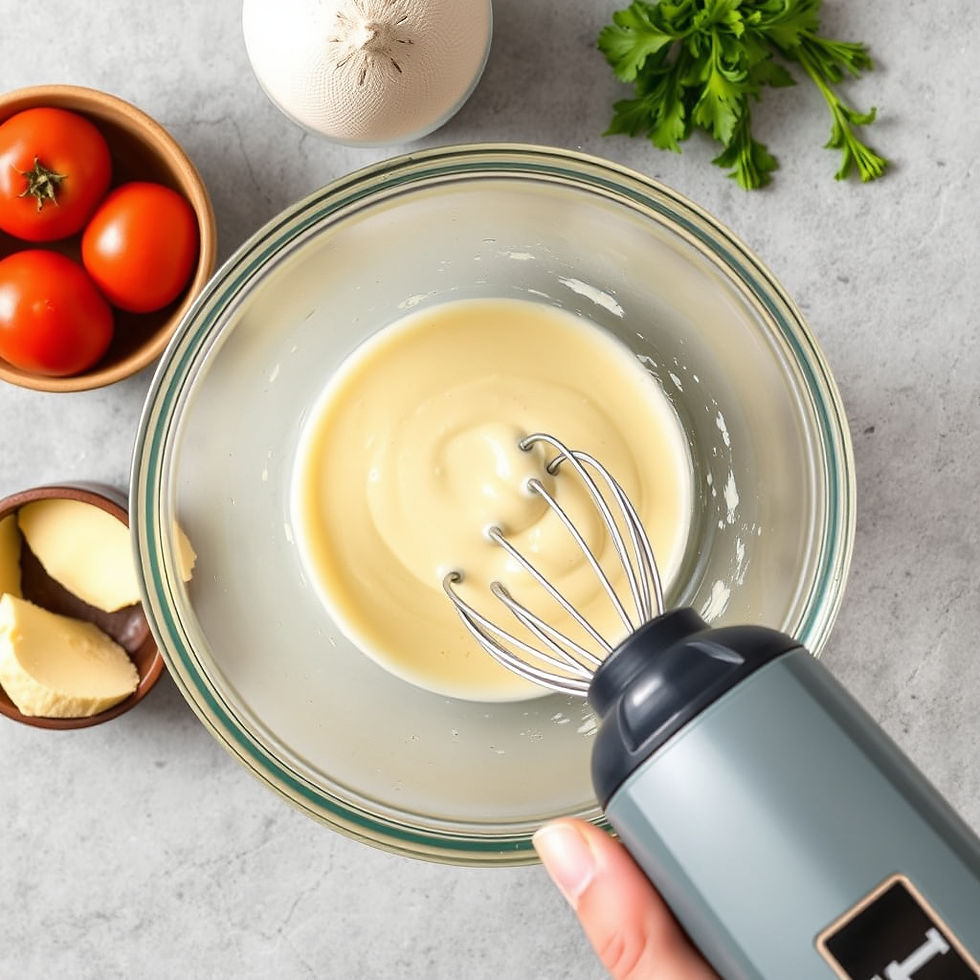
Simple versions made at home
Avoiding the higher-concern ones (carrageenan, polysorbate 80, carboxymethylcellulose) when possible
I don’t aim for perfect—just fewer of the additives that seem to work against my gut and more whole-food options. Supporting my gut this way has made a noticeable difference in how I feel day to day.


Comments